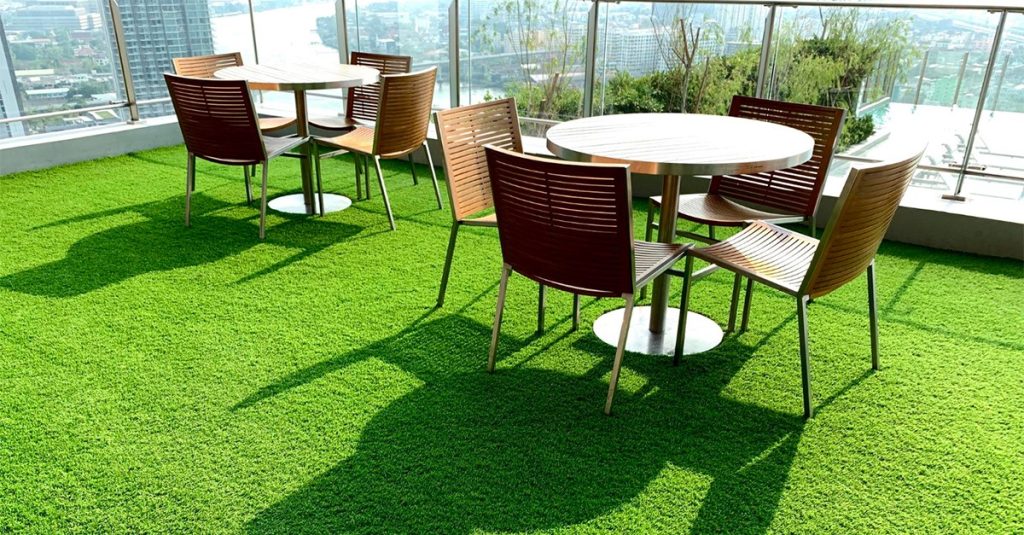
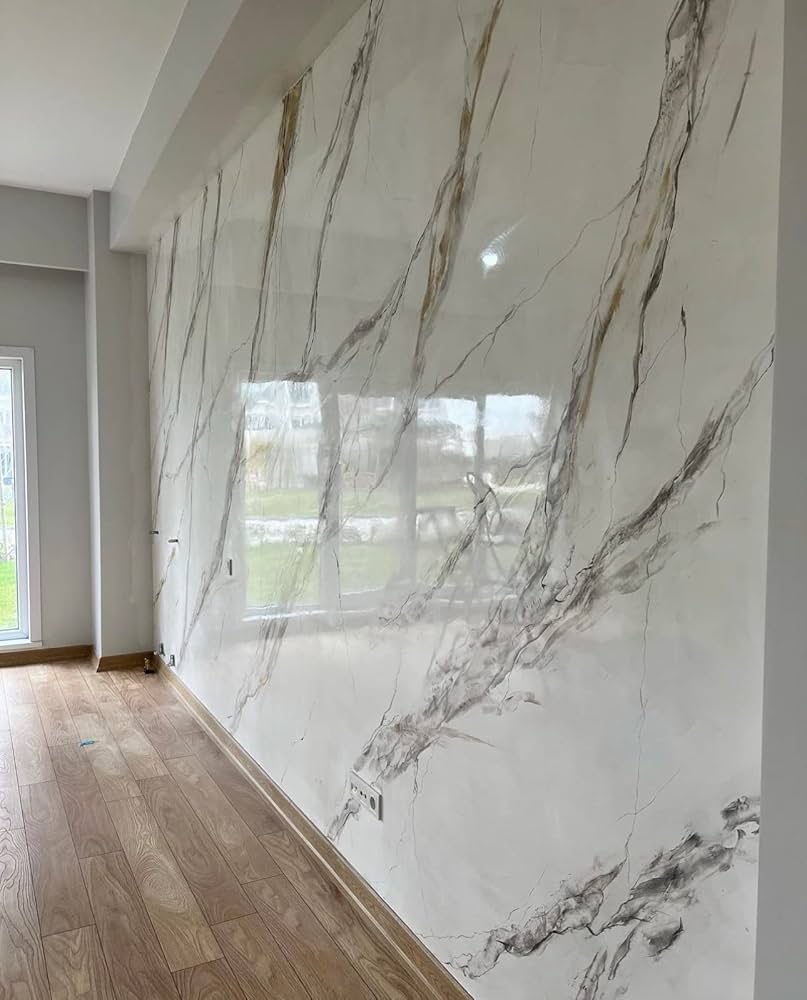
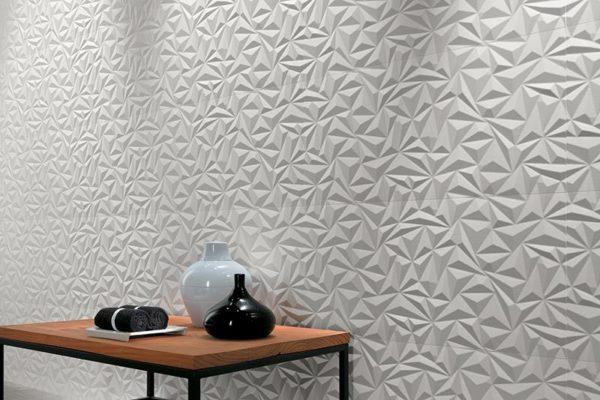
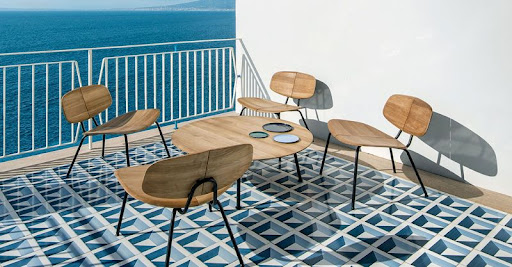
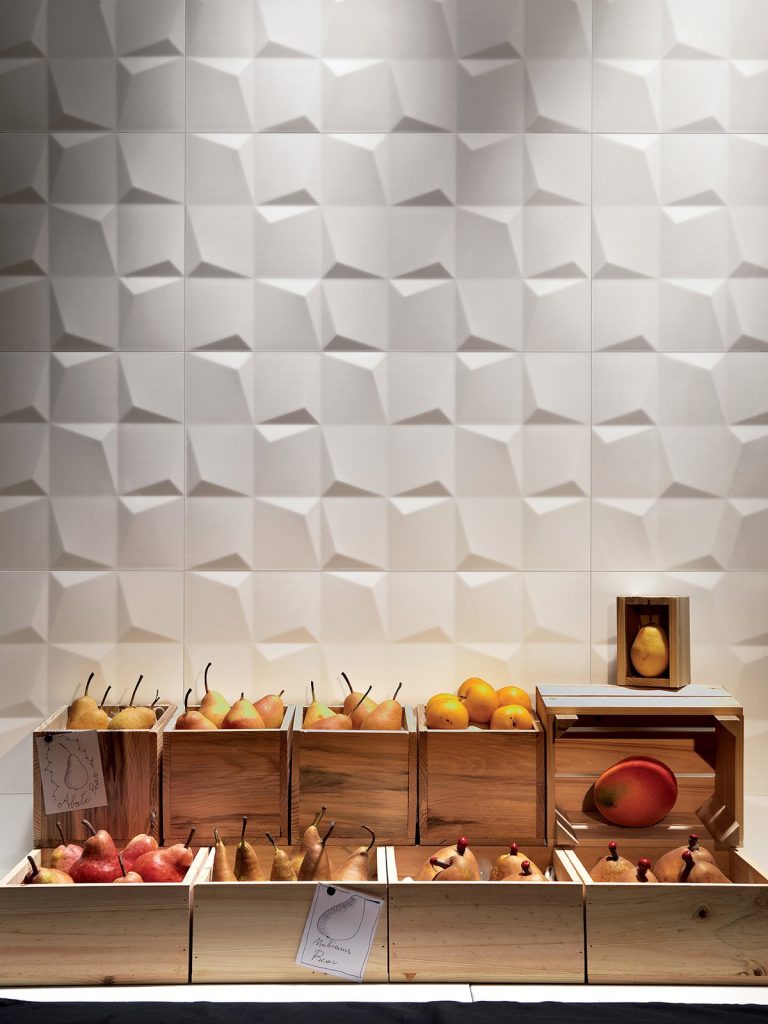
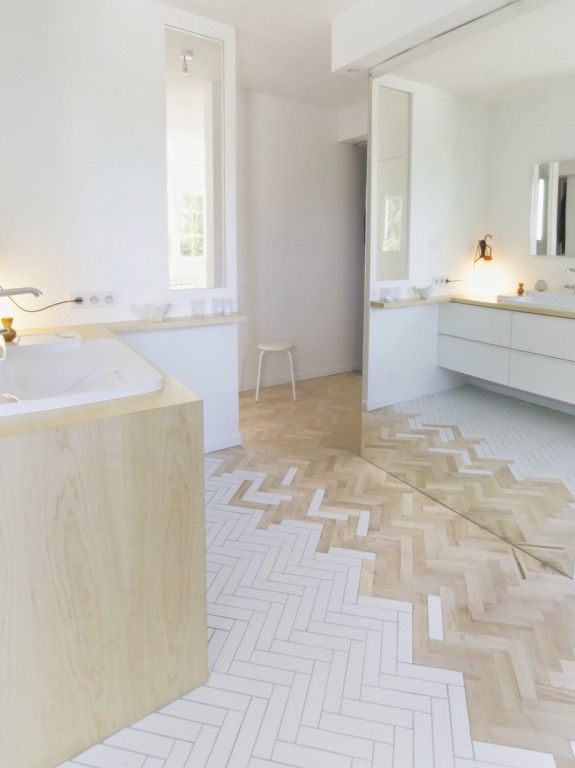
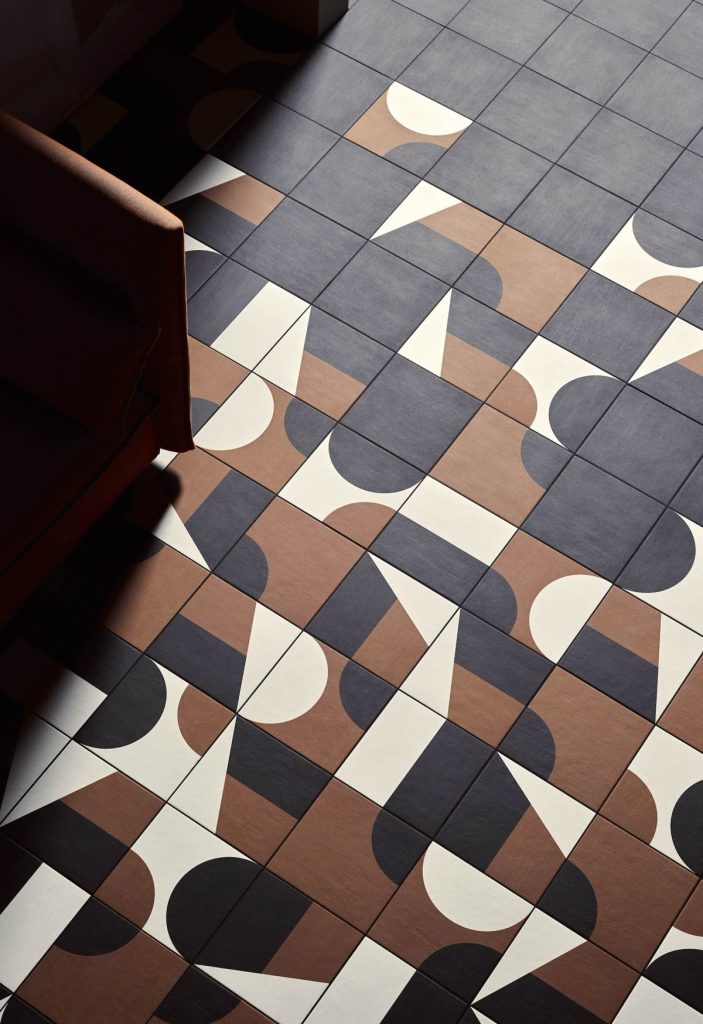
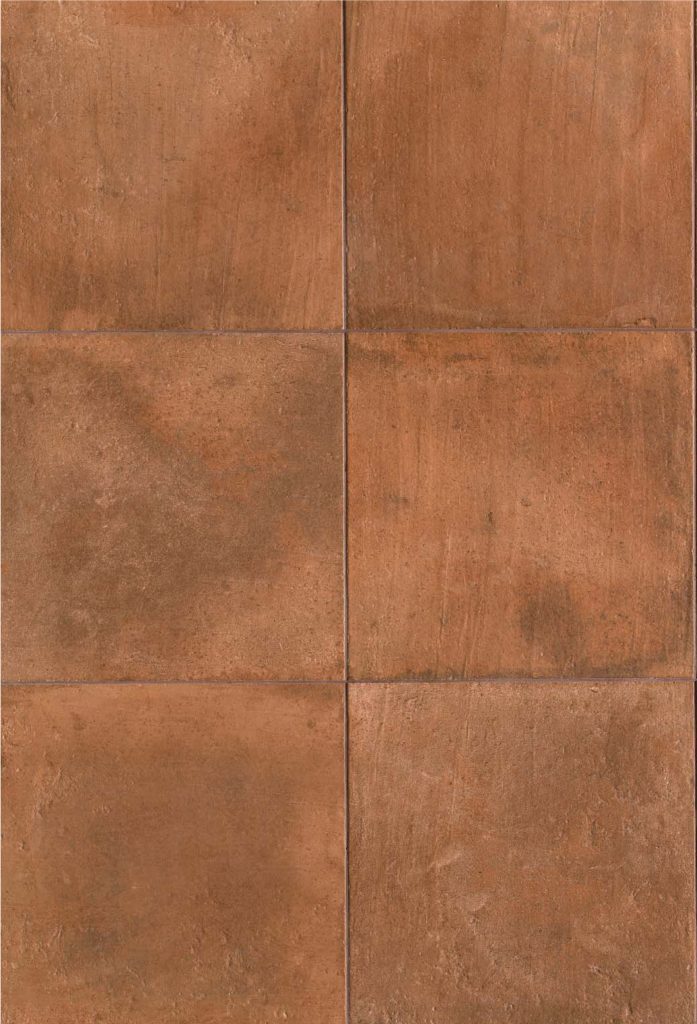
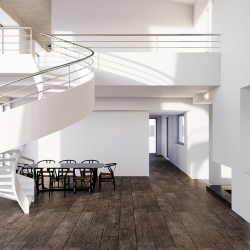
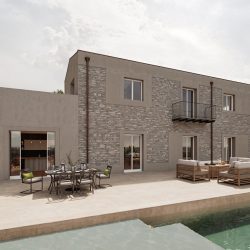
We live in the age of images. Sight is the most celebrated and stimulated of all the senses—especially commercially. We’re constantly bombarded with visuals, and this has deeply influenced the world of interior design. With the help of advanced technologies, surface materials have become increasingly imitative: wood-look tiles, marble-look porcelain, metal-effect ceramics—everything that looks like something else.
But this obsession with the perfect image hides a deeper contradiction, especially when it comes to domestic spaces.
The Imitation of Materials: A Long History
The idea of imitating more expensive or rare materials is not new.
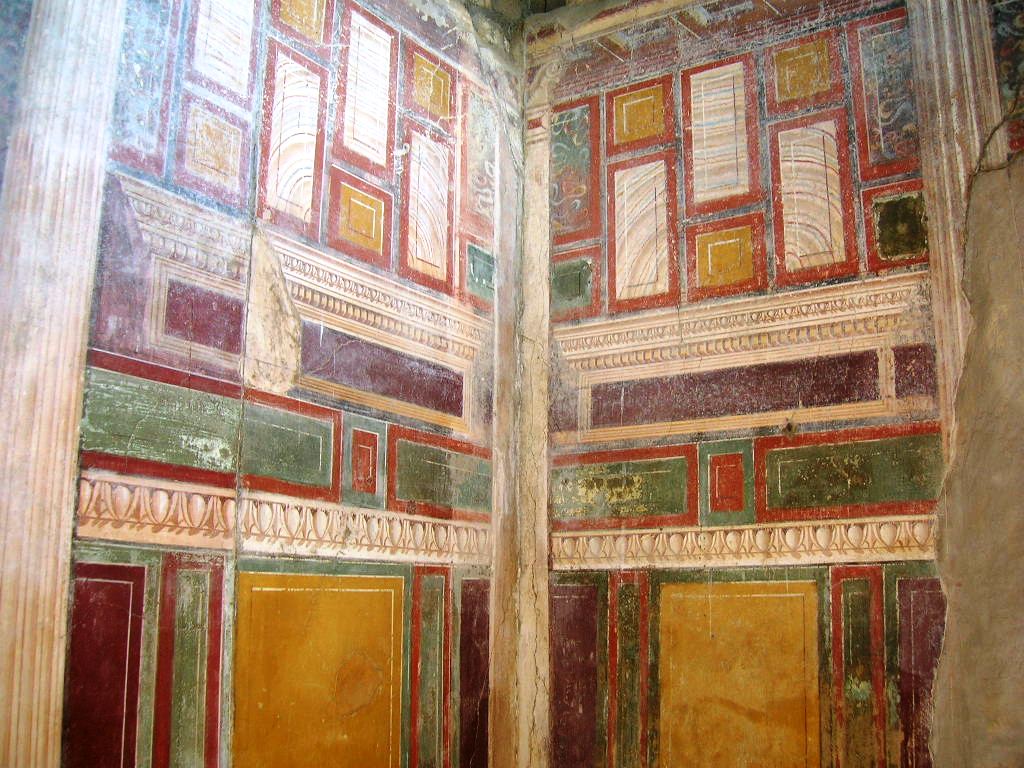
In ancient Rome, marmoratum opus mimicked marble in aristocratic homes at lower cost.
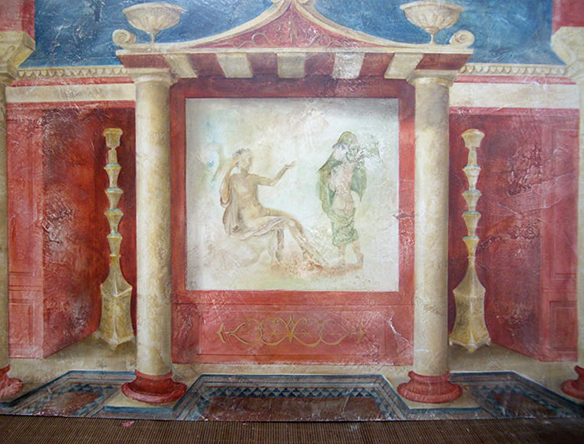
In Pompeian villas, wall paintings imitated slabs of porphyry and other precious marbles.
During the Baroque period, trompe-l’œilreached its peak, creating illusions of architecture, inlays, and luxury.
In Palermo, Giacomo Serpotta turned humble stucco into an expressive language equal to marble sculpture.
In all these cases, imitation served a purpose: to impress, to show off. These works were meant to be seen—not touched, not lived in daily.
Today: The Showroom of Illusions
In today’s building material showrooms, we find endless imitative options:
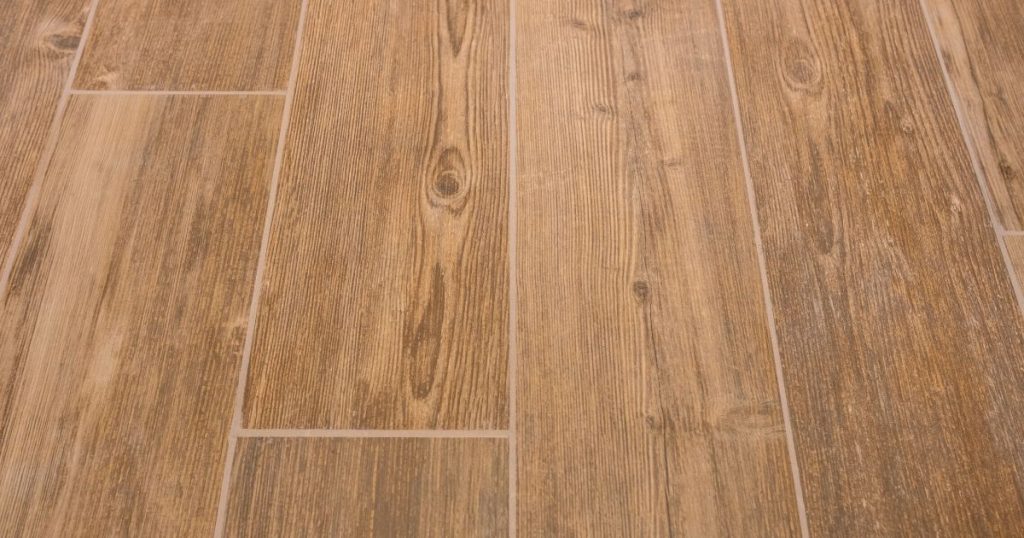
Wood, marble, or metal-look tiles
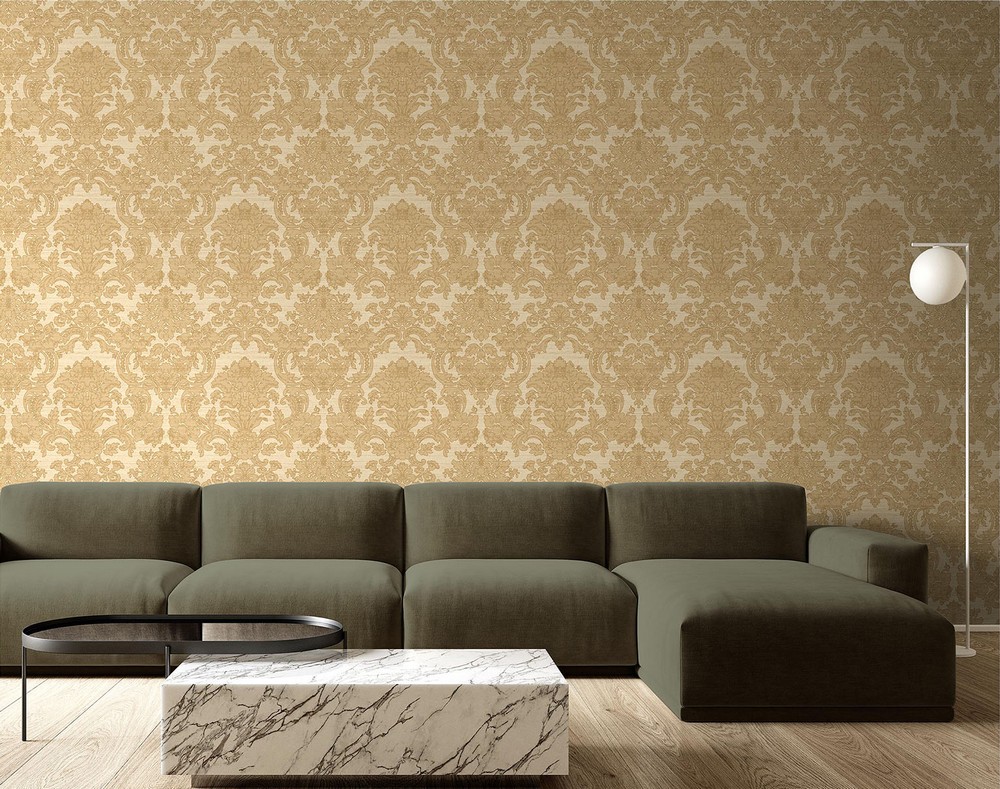
Wallpaper mimicking frescoes or tapestries
Synthetic grass
Stone-effect ceramics
And yet, these are designed for domestic spaces—places we live in every day. Herein lies the contradiction: a home is not just an image.
A home is, of course, an expression of personality and even social status—but above all, it is a place of comfort and refuge. We want to feel protected and at ease. In this space, vision cannot dominate: touch, sound, and even smell become just as important.
Why Authentic Materials Make a Difference
Neuroscience shows that memories are formed through embodied emotion: a smell, a texture, a sound. Architecture is not something to merely look at—it’s a space to be inhabited, something that engages all our senses.
An imitative material, no matter how visually perfect, can’t give you:
The feeling under your feet
The warmth of organic matter
The sound it makes when you walk on it
The subtle smell it releases over time
Why Wood-Effect Tiles Will Never Be Wood
Wood is alive. It changes with time, adapts, and tells a story. Beyond aesthetics, it has properties no imitation can replicate:
Warmth: Close your eyes and place your foot on a wood plank, then on a porcelain tile. The difference is immediate.
Scent: Anyone who has stepped into a home with antique parquet flooring knows its unique fragrance.
Imperfection: The veins, knots, and marks of time make each plank unique.
The same goes for marble: while inorganic, it contains rich impurities and veins that make it one of a kind. Think of Pinuccio Sciola’s “sounding stones”—marble resonates physically, emotionally, and sonically.
Is Porcelain a Second-Rate Material?
Not at all. Porcelain stoneware is a fantastic material: durable, versatile, and highly customizable. It can be glossy, matte, textured; it can do what wood or marble can’t.
The problem is limiting it to imitation. Why choose wood-look porcelain when you could embrace its true expressive potential?
And What About Cost? The False Myth of Savings
Many choose wood-effect porcelain thinking it’s significantly cheaper than parquet. But in the mid-to-high range, the difference is often minimal.
Segment
Material
Material Cost
Installation
Total Avg. Cost
Notes
Mid-rangea
Wood-effect porcelain (med-high)
25–35 €/m²
15–20 €/m²
40–55 €/m²
Minimal maintenance
Engineered/pre-finished wood
40–50 €/m²
20–25 €/m²
60–75 €/m²
Real wood, sensitive to moisture
Premium
Premium porcelain wood-look
35–50 €/m²
20–25 €/m²
55–75 €/m²
Realistic effect, more complex install
High-quality wood (selected oak)
50–70 €/m²
25–30 €/m²
75–100 €/m²
Authentic, long lifespan
Luxury
Designer porcelain (large slabs)
50–70 €/m²
25–35 €/m²
75–105 €/m²
Exclusive look, but “cold”
Solid hardwood (walnut, teak)
70–120 €/m²
30–40 €/m²
100–160 €/m²
Noble material, adds property value
So the price gap, especially in the mid- to high-end range, isn’t always drastic. Moreover, real wood floors can add value to your home, both financially and emotionally.
Authentic or Imitative? The Real Question
Your home is not a showroom. It’s a place to be lived in with all your senses. To truly comfort and inspire, it must be authentic. A real wood or marble floor gives warmth, sound, scent, and texture—emotions porcelain imitation can’t replicate.
Porcelain is extraordinary—when used for what it is, not what it pretends to be.
If you want warmth and life, choose wood. If you want a technical, versatile material, choose porcelain. But don’t choose fake porcelain.
How to Choose Consciously: Value Materials for What They Are
This isn’t about demonizing wood-look porcelain or any imitative material. Every choice makes sense if it aligns with the project.
If you want something durable, easy to clean, low-maintenance, and warm-looking—porcelain can be great. Just don’t ask it to pretend. Be honest with your materials.
Authentic wood offers unmatched sensory qualities, but requires care. It’s not always the best option in damp or high-traffic areas.
A mature design approach is never dogmatic. It sees potential in every material and uses it wisely. Sometimes porcelain shines with contemporary textures and finishes that imitate nothing. Sometimes, wood paired with industrial materials creates beautiful contrast.
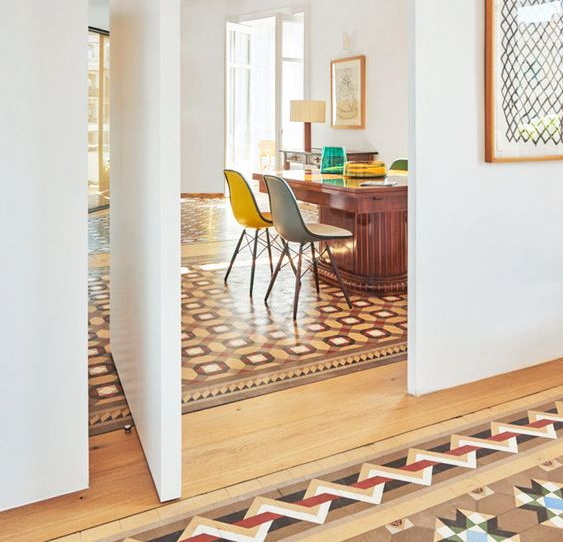
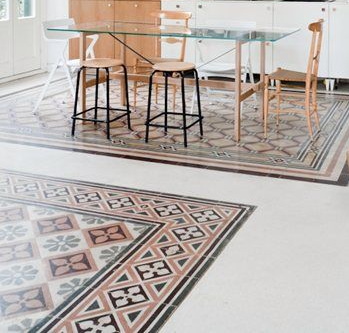
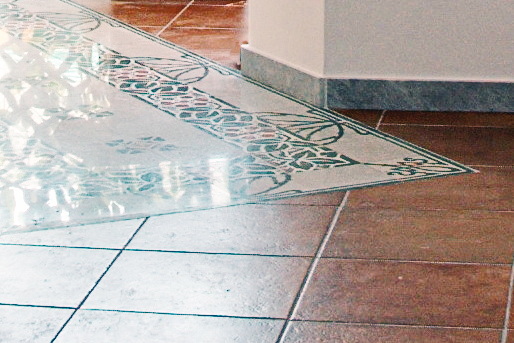
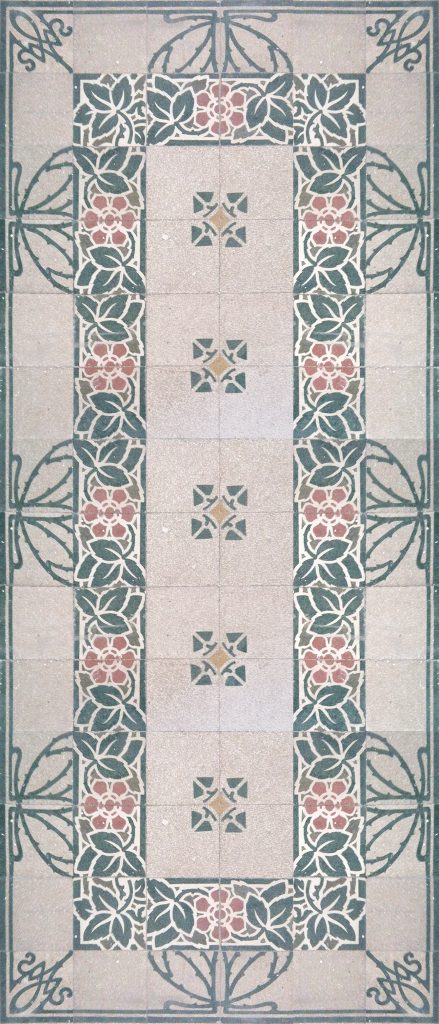
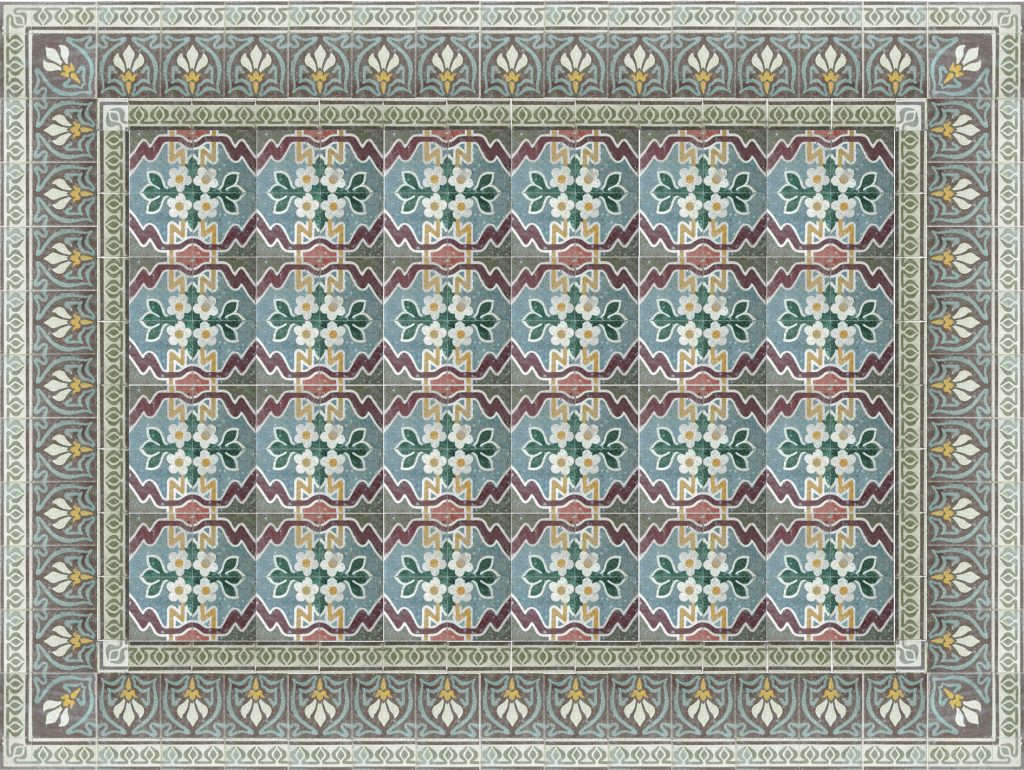
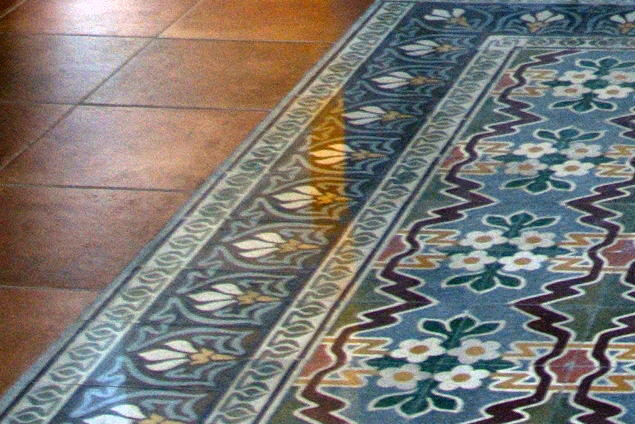
In one of our historic renovation projects, we paired porcelain tiles with original cementine tiles, reassembled to form decorative“carpets”—a way to highlight the contrast between industrial and artisanal. Find out more about this project →
The Real Difference: Not Between Real and Fake, but Between Coherent and Superficial
The real value lies not in imitation or authenticity, but in building a coherent project—a space that responds to aesthetic, functional, and emotional needs.
Every article you read here comes from real design experience. We are Architetti Gianuario Ustica, and with Riusourbano we share our way of living, thinking, and transforming spaces.
Do you have an idea or a space to rethink? → You can reach us at riusourbano@gmail.com or find out more [here].