
A practical guide for professionals and investors
The Sicilian Region has launched the Sicily Tourism Grant 2025, designed to support tourism businesses with non-repayable contributions for renovations, expansions, reactivations, and property acquisitions. This grant represents a unique opportunity to increase the quality and competitiveness of both urban and rural accommodation facilities.
It is worth noting that the grant is also open to foreign investors who intend to start or expand a business in Sicily.
Key professionals involved and the role of the architect
To participate in the grant, a professional and multidisciplinary approach is essential:
- Applicant company (hotel operator, B&B, vacation rental, campsite, tourist village) submits the application.
- Financial advisor or accountant: prepares balance sheet templates and financial documents, analyzes the economic sustainability of the project, drafts the business plan, and calculates the required co-financing, clarifying which expenses (e.g., VAT) remain the responsibility of the business.
- Architect or technical consultant: drafts the technical report, designs the project, oversees construction, manages permits, environmental and energy certifications, ensuring compliance with the “no land consumption” rule.
- Renewable energy or sustainability expert: optimizes the project to gain additional points for innovation and sustainability.
- Qualified suppliers (materials, technology, etc.): independent suppliers not directly tied to the business.
- Banks or financial institutions: may be involved to certify financial capacity, including VAT coverage.
The architect is crucial: they sign the technical report, ensure compliance with urban planning regulations, and add design value to improve the project’s evaluation score.
The real cost for businesses
- VAT is not eligible if it is recoverable; the project must account for it.
- The grant covers only part of the technical costs: design and construction management may be eligible up to 4% of the investment.
Practical example:
- Total investment: €200,000
- Average technical costs: ~10–12% (€20,000)
- Grant coverage for technical costs: 4% (€8,000)
- Technical costs borne by the company: €12,000
Even if the grant reduces the total investment, co-financing remains significant.
Types of eligible interventions
The grant covers:
- Renovations and upgrades
- Expansions (without land consumption)
- Reactivation of unused facilities
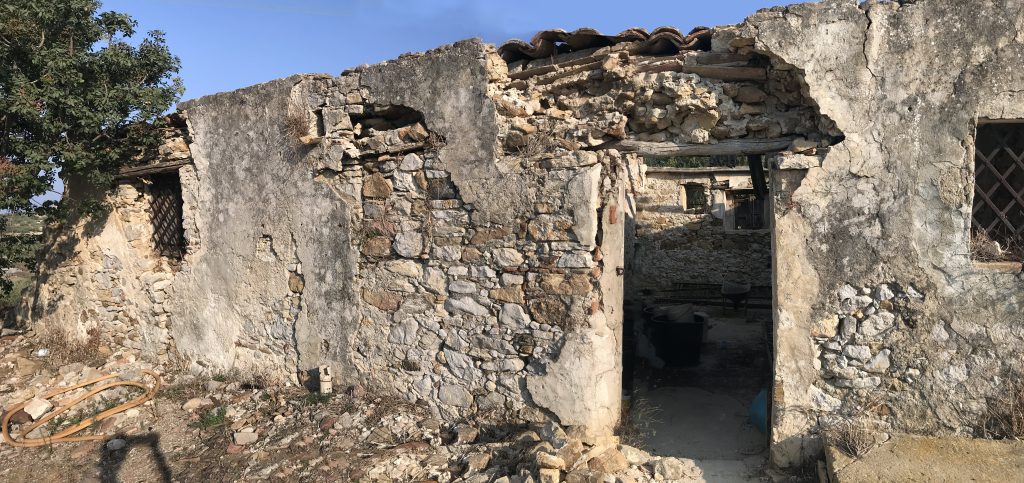
- Acquisition of unused properties (vacant for at least 5 years)
- Software, furniture, machinery: IT programs up to 20%, new furnishings and equipment included
Funding amounts
Non-repayable contributions vary depending on the aid scheme:
- “De minimis” scheme: up to 80% of eligible costs, max €300,000 per company
- Exemption regime: up to 60% of eligible costs, max €3,500,000 per company
Minimum required investment: €50,000.
Deadlines and application process
- Opening: July 15, 2025 (12:00)
- Closing: October 15, 2025 (17:00)
- Grant amounts:
- Min €50,000
- Max €300,000 (“de minimis”, up to 80%)
- Max €3,500,000 (GBER regime: 60% SMEs, 50% medium-sized, 40% large enterprises)
Project completion: within 24 months, with possible 6-month extension (by September 30, 2028 or end of 2028).
Applications must be submitted exclusively through the Irfis online platform, with a €16 stamp duty fee.
Foreign companies are also eligible to apply, provided they meet the same requirements.
Award criteria
Projects with features of environmental sustainability, technological innovation, and social inclusiveness can score additional points. The adoption of eco-friendly solutions and renewable energy systems is particularly valued.
Scoring includes:
- Project quality (up to 21 points), including sustainability, restoration, and digitalization
- Environmental sustainability (solar panels, LED, smart systems, water recovery)
- Location: maximum points for rural areas, marginal zones, or smaller islands
- Economic-financial results (e.g., ROI, ROS): ROI ≥1 scores maximum points
- Employment impact: 2 new jobs per €150,000 investment for top score
Practical examples of ideal projects
Small rural hotel
- Structure: 10 rooms, restaurant, pool, garden with native plants
- Works: renovation, expansion, acquisition of unused property, eco-friendly solutions, solar panels
- Costs: €500,000 investment, up to €300,000 grant; VAT and technical fees borne by company
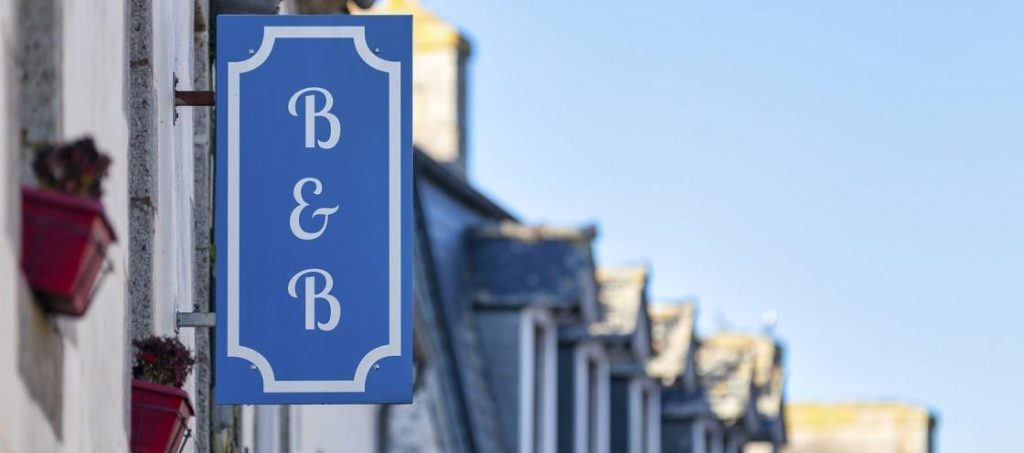
Urban B&B
- Structure: 5 rooms, reception, breakfast area
- Works: renovation and modernization, plant upgrades, energy certifications
- Costs: €150,000 investment, up to €75,000 grant; significant technical fees and VAT borne by company
- Advantages: high visibility, cultural and business tourism demand
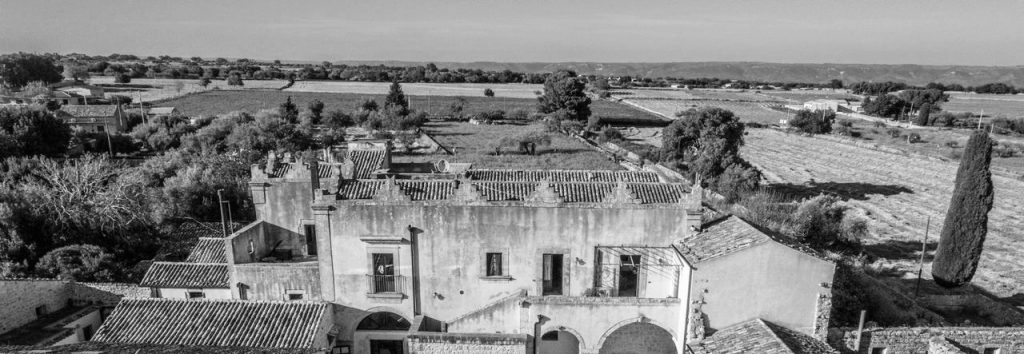
Country house near the city
- Structure: 6 rooms, small common hall, garden, organic vegetable garden
- Works: complete renovation, limited expansion, low-impact systems, eco-friendly solutions
- Costs: €200,000 investment, up to €100,000 grant; VAT and some technical costs borne by company
- Advantages: rural setting ideal for slow, experiential, or food-and-wine tourism, with potential to promote the surrounding territory
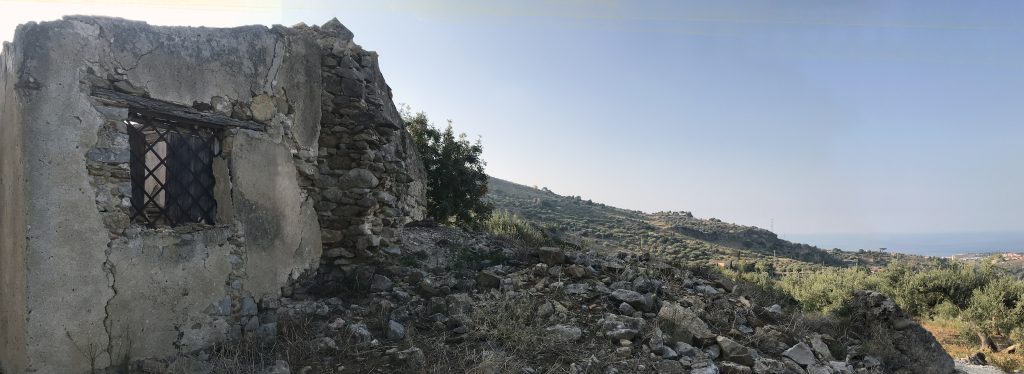
These examples show how the Sicily Tourism Grant makes it possible to finance different types of projects, with rewarding features depending on location, sustainability, and innovation.
However, pay attention to some key aspects:
- The percentage coverage remains limited, and VAT – always borne by the company – can significantly affect costs.
- The investment must be completed within the required deadlines (strict timelines).
- The procedure is competitive: a solid and well-prepared project is essential to achieve high scores.
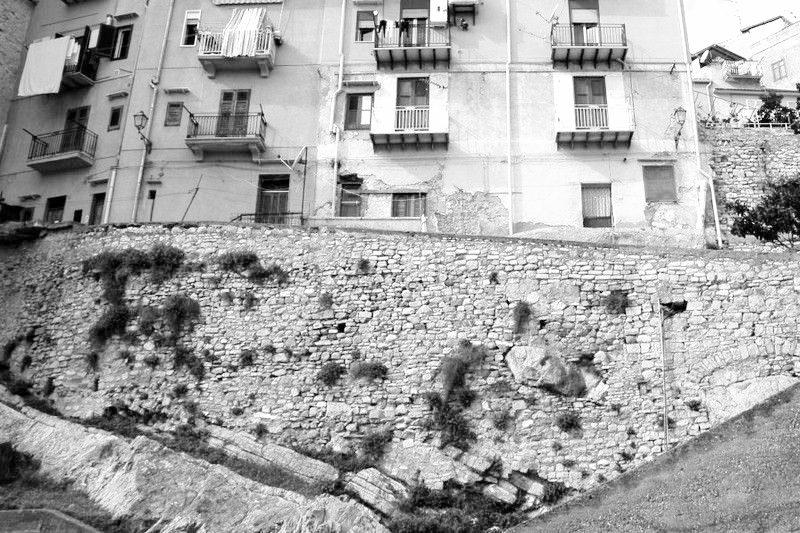
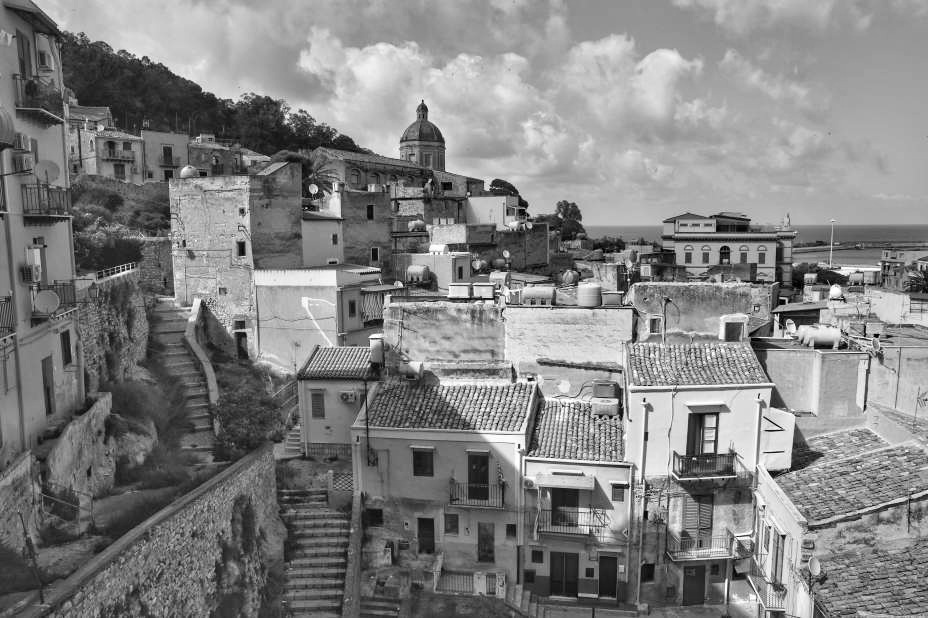
Territorial focus: Termini Imerese
Termini Imerese, in the province of Palermo, offers opportunities for tourism investments thanks to:
- Proximity to the sea
- Accessibility via highways and railways
- Presence of historical and cultural sites
Considerations: strong competition, seasonal demand fluctuations, need for infrastructure. Solid projects with clear marketing strategies can achieve excellent results.
Conclusion: Is it worth applying?
Taking part in the Sicily Tourism Grant 2025 can be a concrete opportunity, especially for those with a professional and sustainable project. Key aspects to consider:
- Required co-financing
- Non-covered costs (VAT, part of technical fees)
- Collaboration with architect, financial advisor, and sustainability expert
Although the grant covers part of the investment, uncovered costs (VAT and technical expenses) can represent 30–40% of the total. This highlights the importance of a realistic financial plan.
Regardless of the type of structure – urban B&B, rural country house, or hotel – a well-prepared project maximizes the chances of success.
Importantly, the program is not limited to Italian businesses: international investors who wish to develop tourism projects in Sicily can also benefit from this opportunity.
Find the full grant details at this link