
A friend recently told me that, even though she’s been living in her new home for over a year, her bathroom still has a bare bulb hanging from two wires — she just hasn’t found the right lamp yet. That small story made me think about how difficult it can be to choose the right designer lamps for the home. It’s not just about light — intensity, color, distribution — but also about form, presence, and identity.
Every lamp emits light, but at the same time, it gives light a shape. And when switched off, it still occupies space, defining it. I’ve always thought of lamps as sculptures — small works of art that bring character to a space while illuminating it.
Lamps as a Domestic Identity
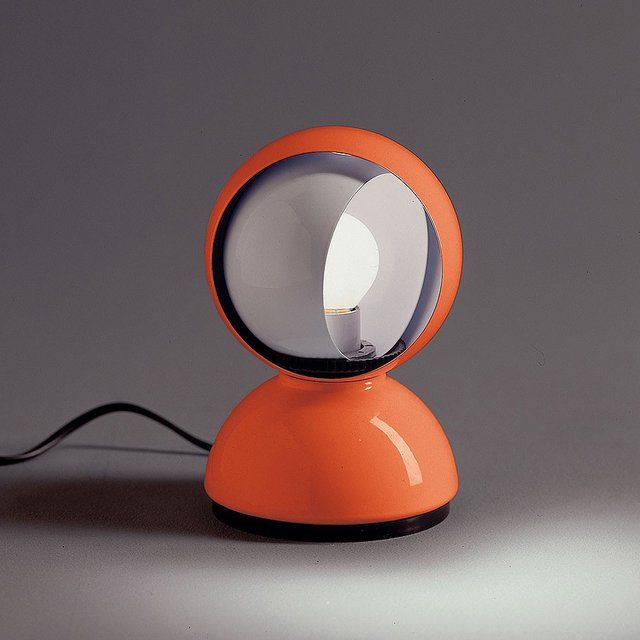
In my home, every new lamp has arrived with enthusiasm, almost like a small ritual. The fact that many design lamps have a name makes the moment even more special. I remember my children, when they were little, proudly saying at school: “We have a new lamp at home — her name is Eclisse!” As if she were a new family member.
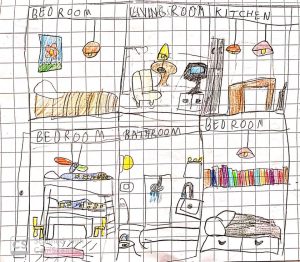
Behind every lamp lies a story: a creative idea that takes shape, becomes an object, and spreads into the world. In this sense, lamps perfectly embody what Walter Benjamin once called “the mechanical reproduction of art”: an artistic gesture that, through industrial production, becomes part of daily domestic life.
That’s why I see lamps not only as functional elements of home lighting design, but also as tools of identity. Each lamp is a miniature architecture that changes our perception of space — whether it’s on or resting in silence.
Types of Lamps for the Home
The market offers an immense variety of options, which can be divided by type:
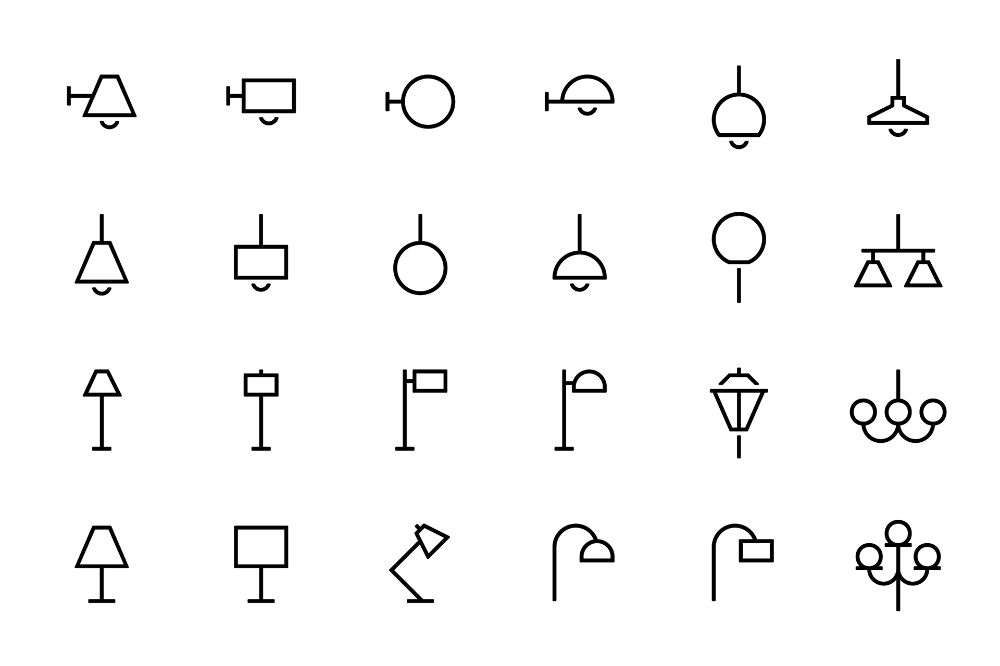
- Table lamps
- Floor lamps
- Pendant lamps
- Wall lamps
- Ceiling lamps
- Portable lamps
- Outdoor lamps
To these, we can add a multitude of materials, technologies, and lighting systems that expand the possibilities even further. Once the type has been chosen based on spatial needs and electrical points, the hardest part remains: finding the right lamp.
And here, it’s not enough to think in terms of function and design — you have to fall in love with the object, recognize yourself in its story, and feel it as part of your home.
How to Choose Designer Lamps for Every Room
Entrance
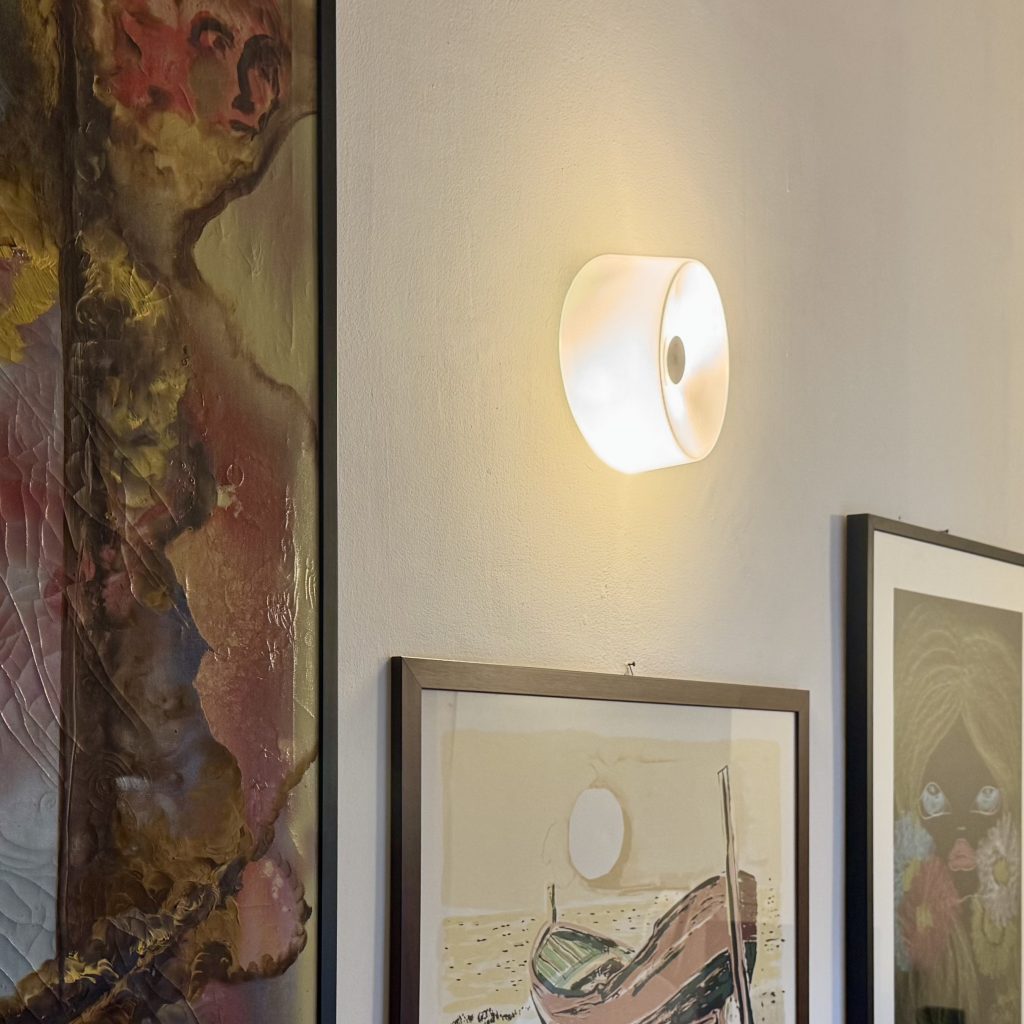
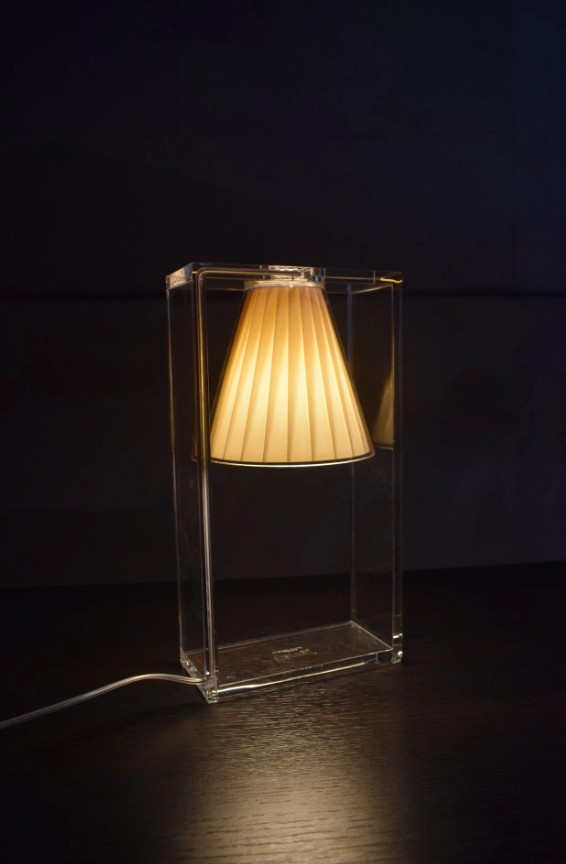
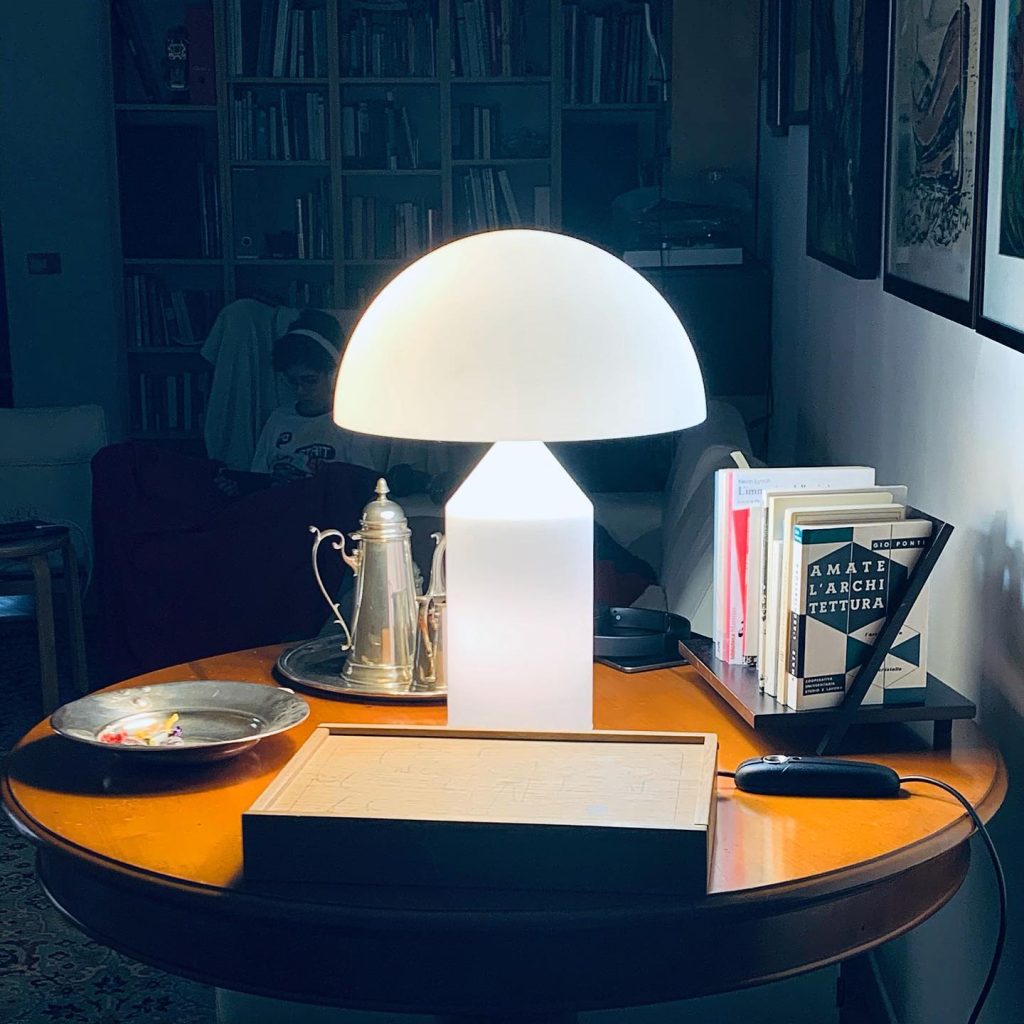
The entrance needs two types of light: a strong, diffused, reassuring one that lets you see everything at a glance, and a softer, more welcoming one that marks the transition toward the inner spaces. For the first, I love Lumiere by Rodolfo Dordoni for Foscarini, with its blown-glass diffuser. For the second, Light-Air by Eugeni Quitllet for Kartell or the timeless Atollo by Vico Magistretti add warmth and elegance.
Living Room
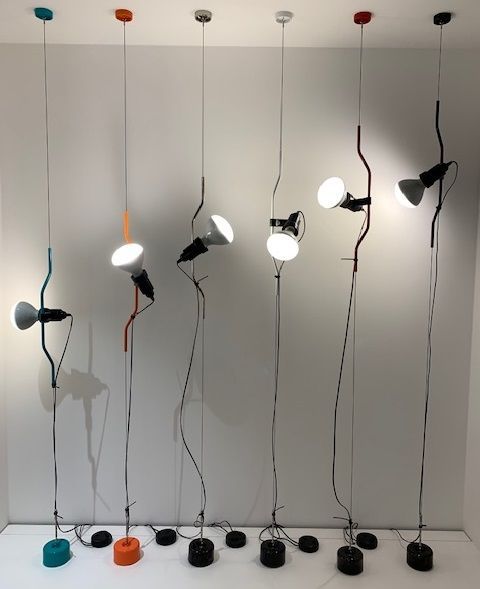
The living room comes alive with multiple small light sources, designed to create different moods throughout the day. Among the icons: Parentesi by Achille Castiglioni and Pio Manzù (Flos) — a direct, adjustable lamp whose vertical movement along a steel cable feels both technical and playful.
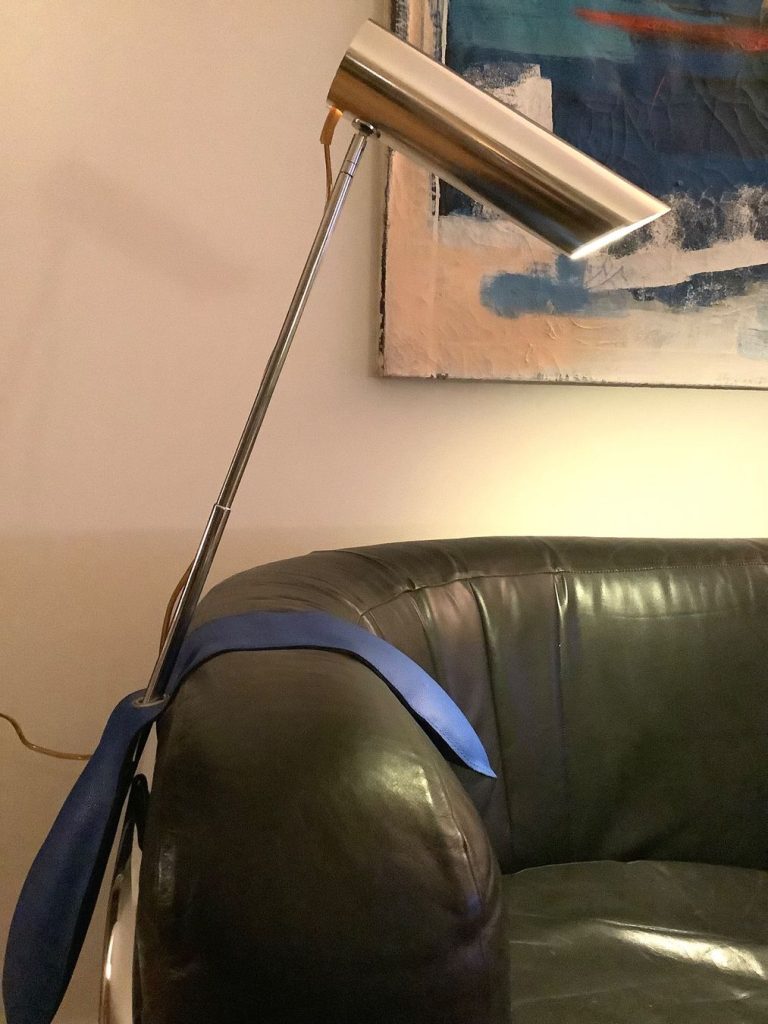
Equally meaningful is Margaret by Vico Magistretti (FontanaArte), a reading lamp with an aluminum reflector, chrome-plated telescopic rod, and leather base. I gifted it to my father, an avid reader — its design now carries a family memory within its gentle name.
Dining Room
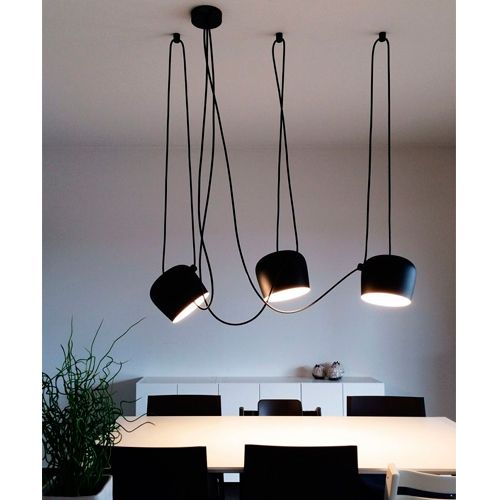
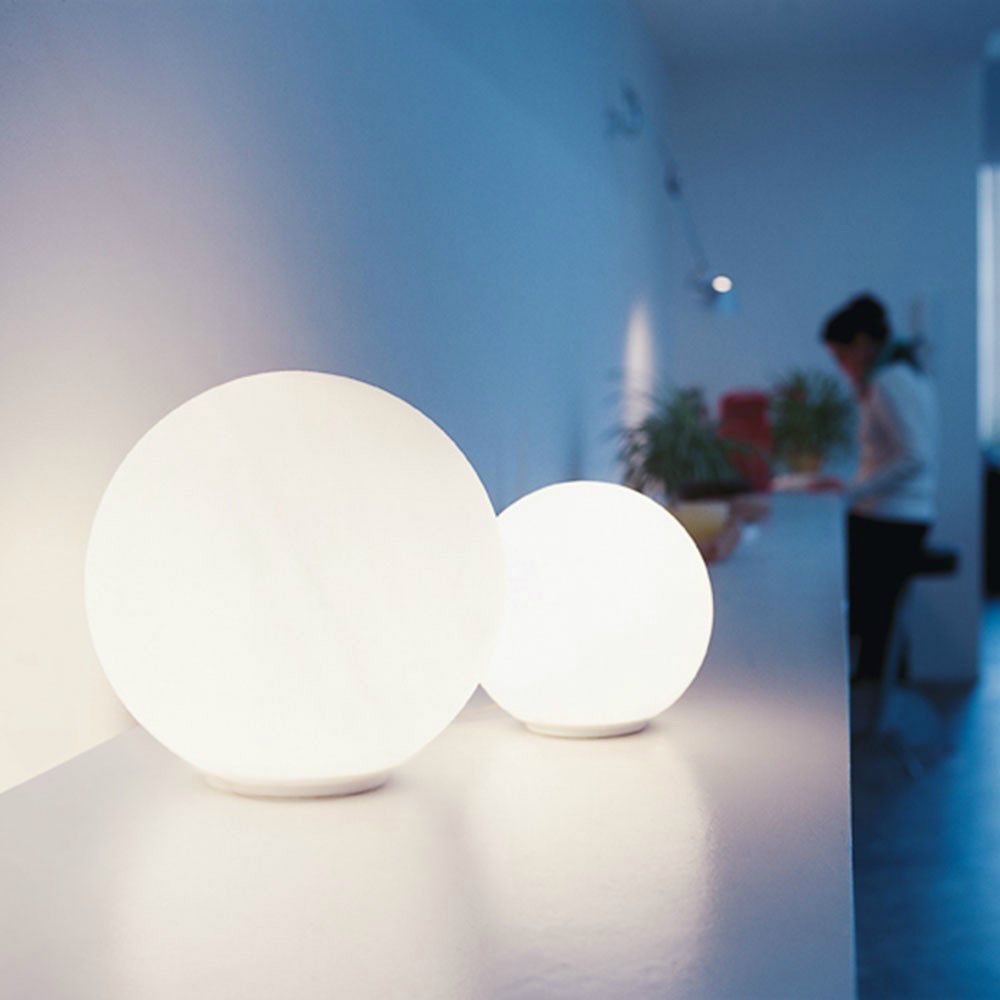
The dining table, now more than ever the heart of domestic life, deserves a theatrical light. Aim by the Bouroullec brothers (Flos) is perfect — flexible and sculptural. To complement it, Dioscuri by Michele De Lucchi (Artemide) diffuses a soft glow over the sideboard, highlighting dishes before they take the stage at the table.
Bedroom
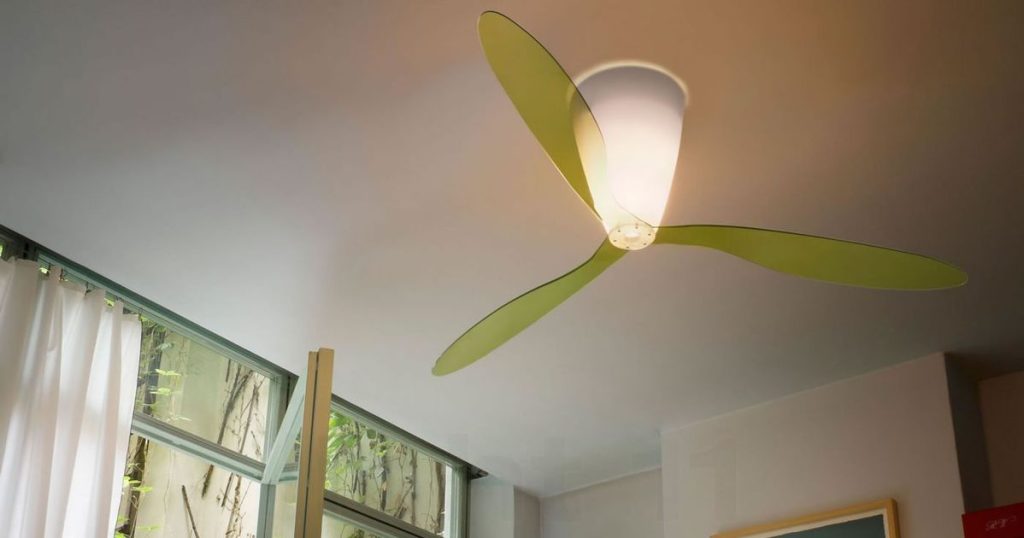
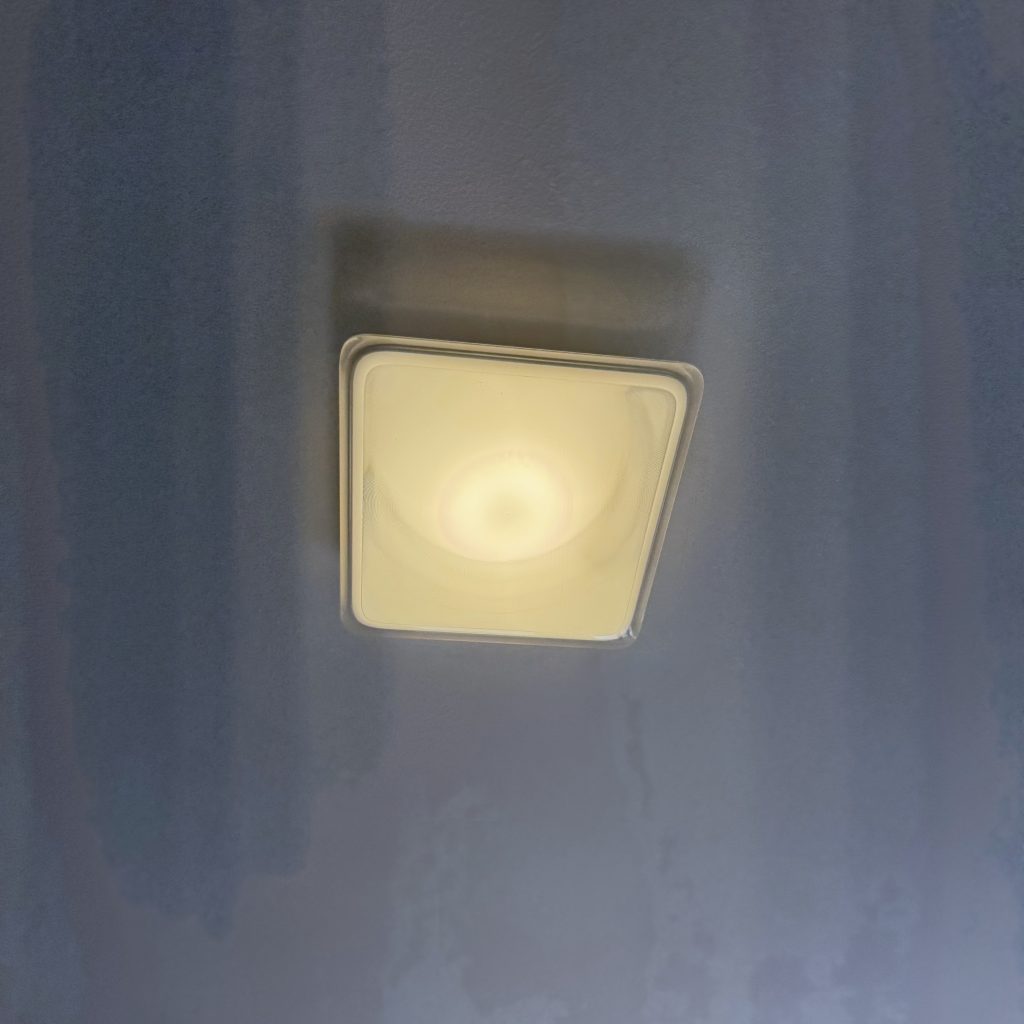
The bedroom requires a variety of light types: diffuse, localized, for reading or working. I love Blow by Ferdi Giardini (Luceplan), a refined alternative to ceiling fans, ideal for spacious, high rooms. For smaller spaces, Illusion by Francisco Gomez Paz (Luceplan) offers a surprising optical effect — a minimalist LED lamp whose Fresnel lens creates the illusion of a sphere within a square. Elegant, modern, and playful.
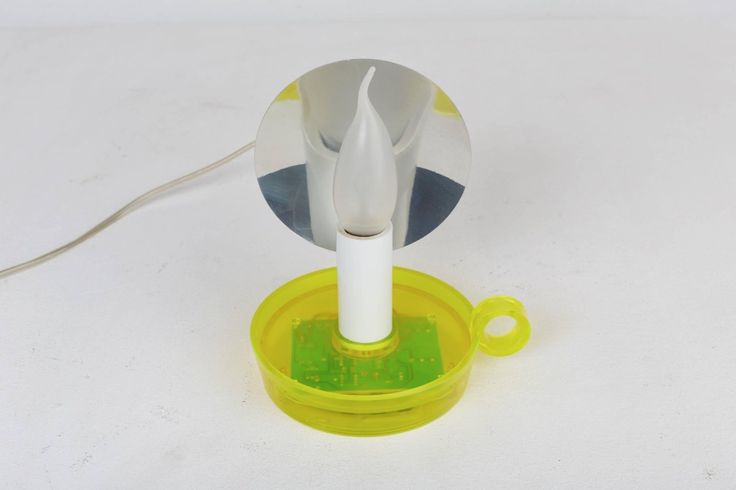
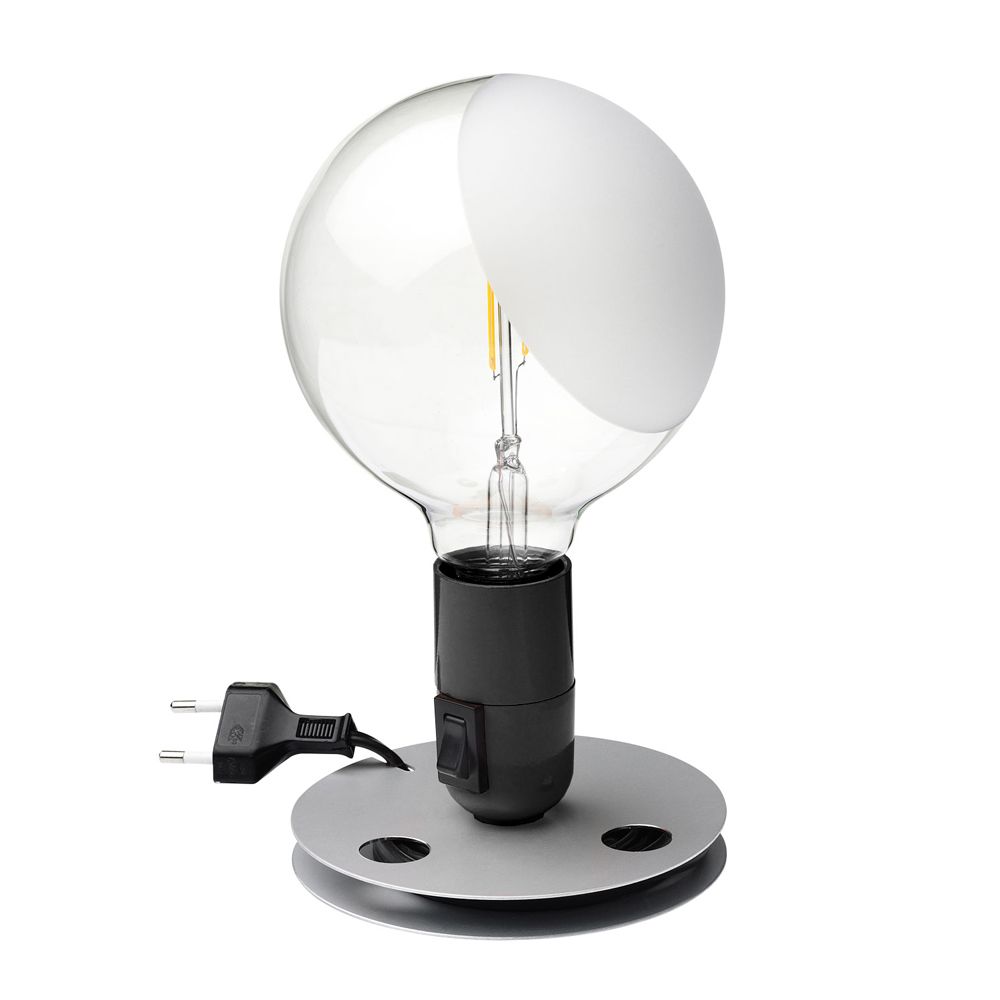
For bedside tables, I prefer lamps that evoke poetry and play: B.L.O by Marcel Wanders (Flos), which turns off with a soft blow; Lampadina by Achille Castiglioni; and the iconic, award-winning Eclisse by Vico Magistretti.
Desk
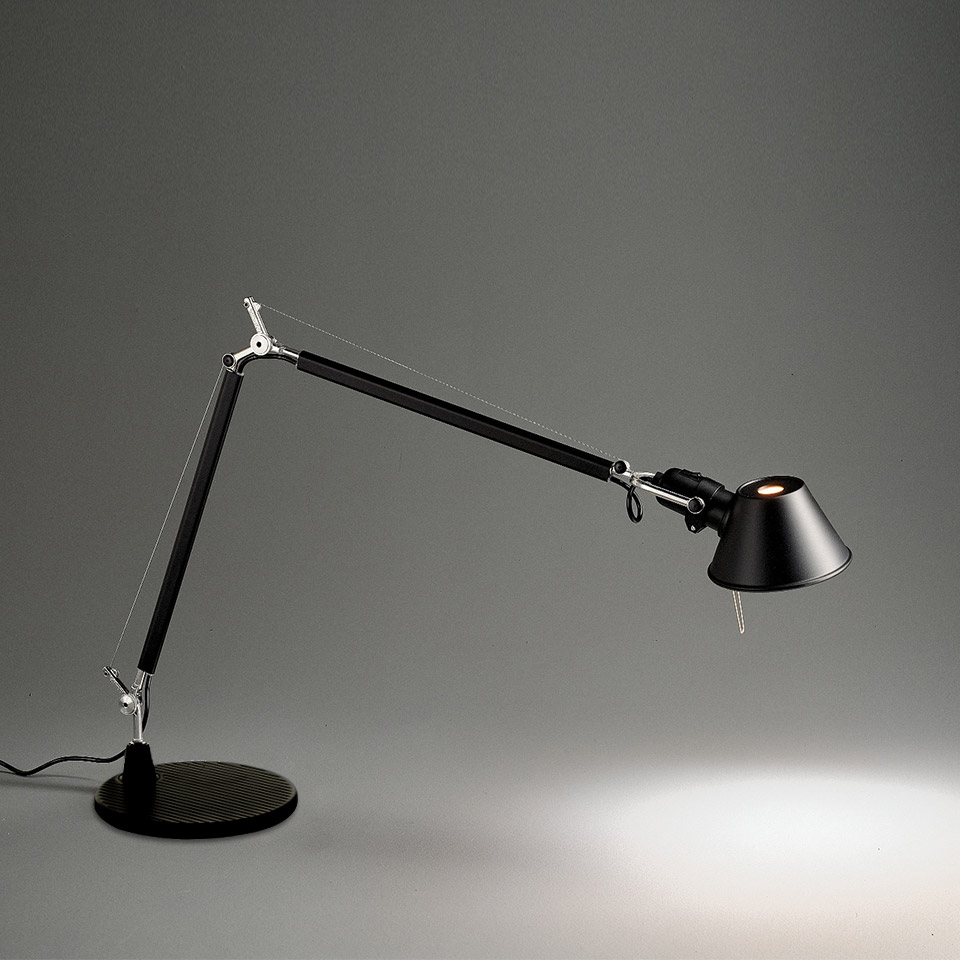
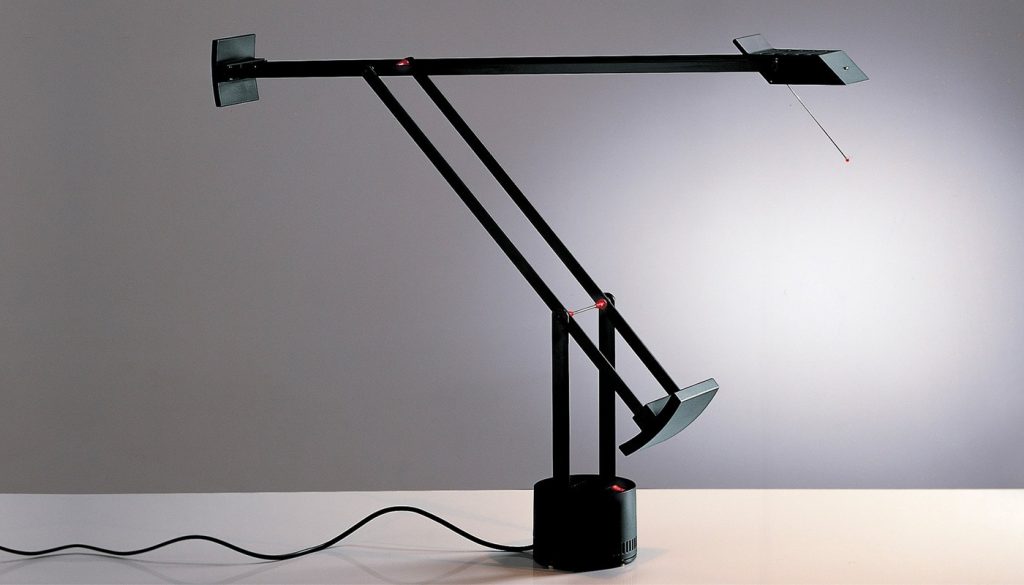
No conversation about lighting design is complete without the icons Tolomeo and Tizio by Artemide — designed respectively by Michele De Lucchi and Richard Sapper. Perfect opposites, they represent the elegance of functional design.

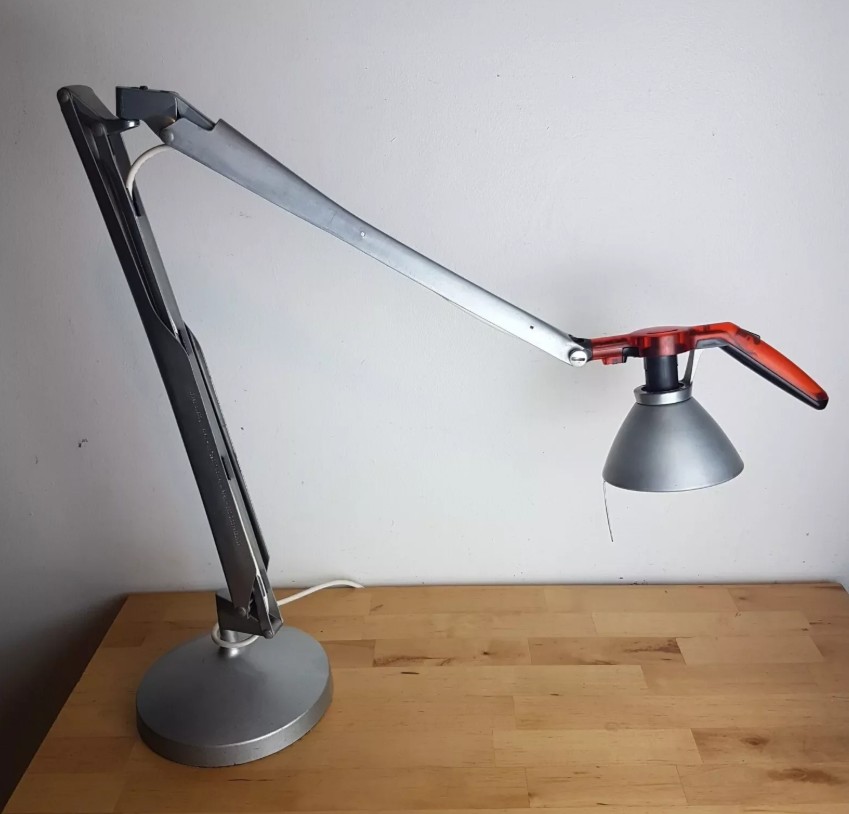
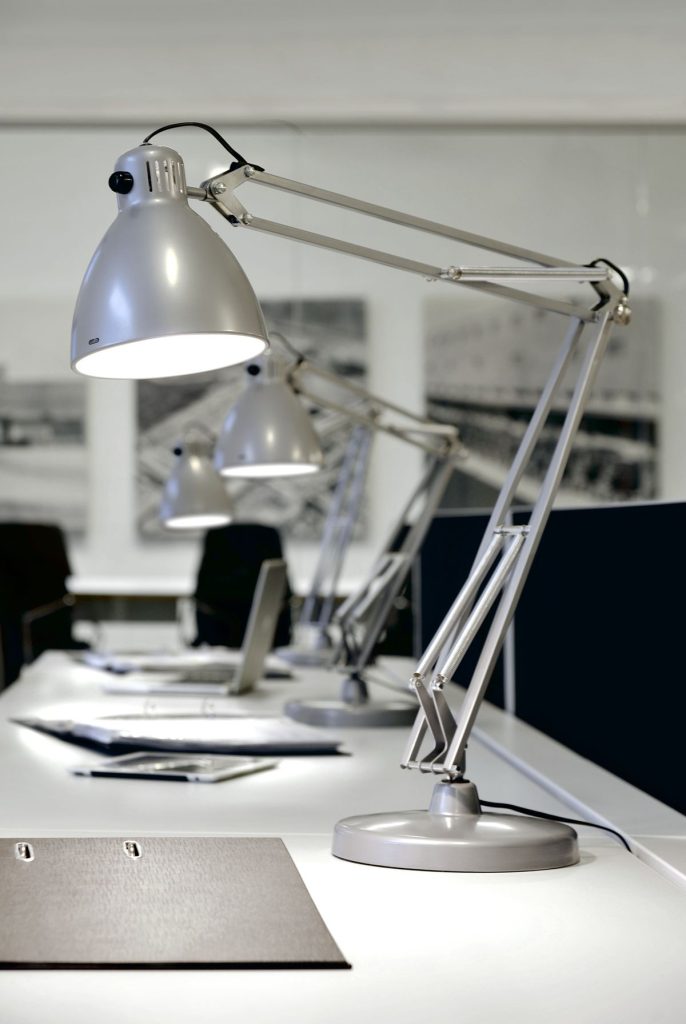
I also cherish Fortebraccio by Paolo Rizzatto and Alberto Meda (Luceplan), the younger “brother” of Tolomeo. And of course, L-1 by Jac Jacobsen (Luxo) — a timeless classic that inspired Pixar’s famous animated lamp and revolutionized the concept of desk lighting.

Terrace
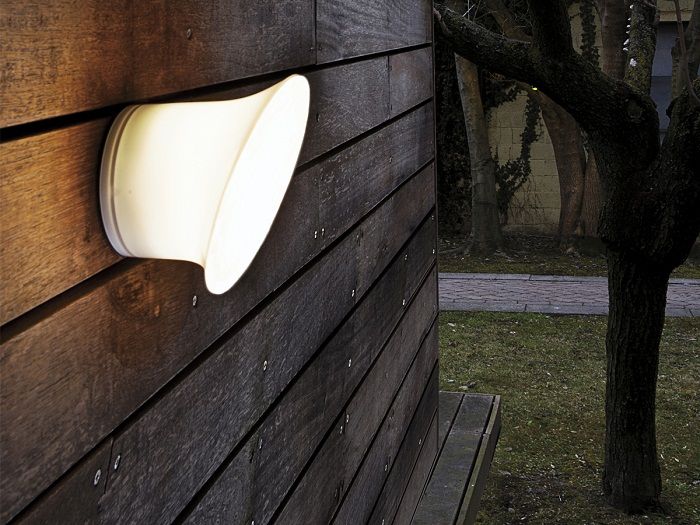
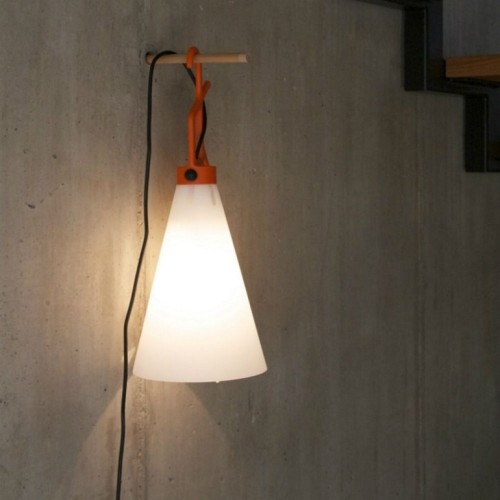
The terrace extends the conviviality outdoors. Here, diffuse light is key — Ecran In & Out by Inga Sempé (Luceplan) is ideal, weather-resistant and discreet. For special moments, my “secret weapon” is Mayday by Konstantin Grcic (Flos): portable, versatile, and endlessly useful.
Staircase
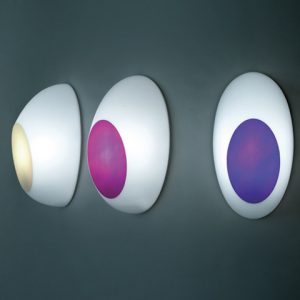
For my L-shaped staircase, I chose Goggle by Ross Lovegrove (Luceplan), a small magical device. Its polycarbonate diffuser includes an iridescent film that changes color depending on the angle. Climbing or descending feels like witnessing a new optical play each time — a detail that turns a simple passage into a joyful moment.
Conclusion: Lamps as Companions for Life
Every lamp in my home was chosen for what it represents — and for the special relationship it creates with space. Selecting designer lamps for the home means finding a balance between design and identity, functionality and affection.
They’re not just accessories, but daily companions that welcome, reflect, and reassure us. In the end, they are part of our domestic story — just like the memories we hold within our walls.
About Riusourbano
Each article you read here comes from real design experiences. We are architects — Architetti Gianuario Ustica — and with Riusourbano we share our way of living, thinking, and transforming spaces.
If you have a space in mind or a place you’d like to transform, we’re ready to listen.
→ You can find us here and contact us at riusourbano@gmail.com